
Elhan Orhon
Chief Risk Officer, United Airlines
The Business Case for Better Risk Handling
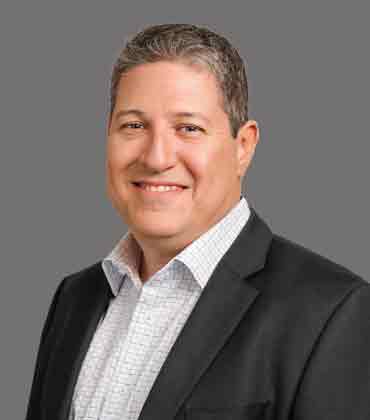
Orhon brings 30 years of airline industry experience to United Airlines. As Chief Risk Officer, he leads enterprise risk management, internal audit and integrated risk efforts across cybersecurity, compliance, procurement and operations, with a focus on strengthening risk visibility and embedding accountability into decisions. His approach connects analytical rigor with human judgment, helping United build resilient, collaborative and accountable practices that teams across the enterprise can carry forward.
The Making of a Strategic Risk Leader
Orhon spent years in financial planning and analysis before moving into internal audit and enterprise risk management. Each stop added a different lens. FP&A sharpened his read on business performance, market dynamics and investor expectations. Internal audit pulled him into governance and controls, where he worked alongside cybersecurity, operations and compliance teams across areas well beyond financials. Enterprise risk tied those threads together at United’s highest level.
Three decades in the airline industry, spanning 9/11, mergers, COVID-19 and recurring geopolitical shocks, taught him one constant: risk leaders succeed when they understand the business first and the risks second. Orhon carries a curious, problem-solving mindset into every decision, a trait he credits more than any credential.
“The best risk leaders are not the ones chasing every risk. They are the ones who know which risks matter and work with the rest of United’s teams to manage them well,” he says.
Risk as a Growth Enabler
Orhon rejects the idea that risk management slows a business down. At United, it works the opposite way. Risk management carries both a defensive side and an offensive one, and his team works both. The offensive side protects the value the business creates by taking risks in the first place. The defensive side manages the harm.
The airline industry adds its own weight to that balance. It is capital-intensive, labor-intensive, heavily regulated and fiercely competitive, with more than ten carriers competing in the United States. Every day, Orhon aligns risk appetite with business objectives across procurement, cybersecurity, compliance and operations. That thinking, embedded into decisions, lets teams move faster instead of slower. Risk becomes part of the plan, not an obstacle to it.
Breaking Down the Silos
United’s integrated risk management model started with operational teams. Orhon brought together safety, compliance, audit, airport operations, tech operations and food safety under one committee. The group meets regularly, runs joint risk assessments and shares practices across departments that once worked in isolation.
“The best risk leaders are not the ones chasing every risk. They are the ones who know which risks matter and work with the rest of United’s teams to manage them well.”
The payoff showed up fast. Decisions moved more quickly, and accountability shifted from spreadsheets and charts to shared ownership of outcomes. That success pushed the model into United’s third-party relationships, where it continues to expand.
“Building that kind of trust across an operation this size takes time, but the collaboration holds once it takes root,” says Orhon.
Built for What Can’t Be Predicted
No risk program can predict every disruption and Orhon builds around that reality. United’s resiliency strategy rests on five pillars: financial, commercial, operational, digital and human capital. He calls human capital the most overlooked of the five. Technology and AI now give his team faster, sharper visibility into emerging risks, from supplier patterns to attack vectors. Orhon pairs every data signal with human judgment before it becomes a decision.
One example stands out. His team now traces recurring parts failures back to specific suppliers and geographies, spotting supply chain risk before it forces a disruption. That balance defines his advice to fellow risk leaders navigating today’s uncertainty. He tells peers to stay grounded in facts, stay flexible and avoid false optimism and unnecessary pessimism. Orhon sums up the discipline in a single line.
“Hope is not a strategy.”
