

Weekly Brief
×Be first to read the latest tech news, Industry Leader's Insights, and CIO interviews of medium and large enterprises exclusively from Financial Services Review

Rob Rickey
Chief Growth Officer, StraightLine
Why Client Value is the Ultimate Growth Metric
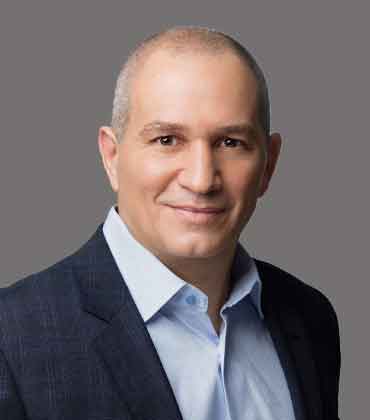
Growth is often celebrated through numbers: rising revenue, expanding market share, increasing assets, and a growing client base. But for Rob Rickey, Chief Growth Officer at StraightLine, the most important measure of growth cannot be found on a balance sheet. After more than three decades in financial services, he has come to believe that lasting growth begins with a more fundamental question: are businesses creating enough value for the people they serve?
One of the decisions that most influenced his leadership came when he took on the role of building the independent advisor channel at TIAA. Already a Certified Financial Planner, he was guided by three principles: fiduciary standards, transparency, and choice—particularly the belief that people should be able to choose who their advisor is.
“It really comes down to doing what is right for the people you serve. When you focus on creating value for your clients, your employees, and your broader stakeholders, you build trust and when you build trust, the business follows,” says Rickey.
He carried those principles through roughly 25 years at TIAA, including more than 22 years building and running the independent advisor business. The work required more than a clear philosophy; it required patience and perseverance. Building an independent distribution channel inside a Fortune 100 company with its own captive model meant navigating bureaucracy, internal resistance, and competing priorities. The scale brought resources and the ability to grow quickly, but it also created challenges that Rickey had to work through as a leader.
The experience also shaped his view of what changes when leadership moves from a large institution to a smaller, owner-supported business. At TIAA, scale provided tremendous opportunities to reach and serve more people, while leading innovation within a large organization required alignment and collaboration across many stakeholders. At StraightLine, Rickey found a different environment where the support and belief of the firm’s owners created a more direct path from vision to execution and placed greater emphasis on entrepreneurial accountability.
“ It really comes down to doing what is right for the people you serve. When you focus on creating value for your clients, your employees, and your broader stakeholders, you build trust—and when you build trust, the business follows. “
StraightLine gave him an opportunity to put that philosophy into a different kind of business environment. Rickey first worked with the firm as a strategic consultant before joining full time as Chief Growth Officer and Financial Advisor. His focus centred on one question: how could StraightLine create more value for its existing clients? That meant looking beyond money management to the planning process, client connection, and the support people need when important moments arise in their lives.
Those “moments that matter” are where Rickey believes the value of advice becomes most visible. A person who has a baby may need help with insurance choices. Someone who loses a parent may suddenly face a significant inheritance and difficult decisions about what to do next. At such moments, people can be vulnerable to poor advice, making access to trusted human guidance especially important. The results have reinforced his belief. Over the period that included his consulting work and subsequent full-time role, StraightLine nearly doubled its revenue. Rickey attributes much of that progress to the firm’s sustained focus on delivering greater value to clients.
Technology now adds another dimension to that philosophy. Rickey rejects the idea that AI should replace the human relationship at the centre of financial advice. He also sees little future for firms that refuse to use new technology. His preferred model is clear: people supported by technology. Tools should make advice more useful and accessible while the human relationship remains central to the moments when clients need judgment, context, and trust.
That balance reflects a broader evolution in Rickey’s philosophy. For him, the Fiduciary Standard, often expressed through the obligation to act in a client’s best interest, represents the minimum standard that financial professionals should meet. Stewardship sits at a higher level. It means going beyond that baseline to take greater responsibility for the people a firm serves, consistently looking for ways to create value and do what is right for clients.
Growth is therefore less a destination than a consequence. The Fiduciary Standard establishes the baseline, while stewardship calls leaders to a higher level of responsibility. When leaders pair that higher standard with choice, transparency, and a sustained focus on client value, trust grows and creates the conditions for durable business growth.
