A featured contribution from Leadership Perspectives , a curated forum for banking, financial services, and fintech leaders, nominated by our subscribers and vetted by the Financial Services Review Editorial Board.

United Wholesale Mortgage
Adaptability Builds Trust
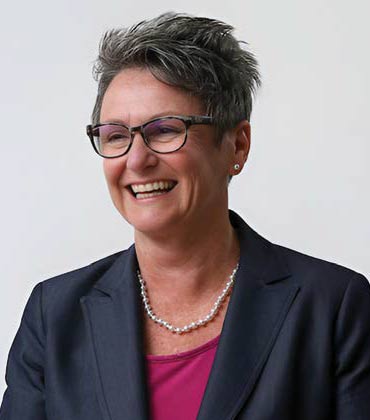
Renee Harmon
Leadership is not about having every answer. It is about how we respond when the answer changes.
With AI changing so quickly, adaptability is no longer an occasional leadership skill. It is a daily practice. The tools and possibilities keep evolving, and leaders do not need to have everything figured out before taking the next step. They need to stay curious, make room for learning, and be honest about what they know and what they are still discovering. That is how we help our teams embrace new possibilities while keeping trust at the center.
The strongest leaders are adaptable. They stay grounded in their purpose while remaining flexible in their approach. When priorities shift, challenges emerge, or a plan no longer works, they don't cling to “the way we’ve always done it.” They listen, learn, adjust, and keep the team moving forward.
But adaptability alone is not enough. It must be built on trust.
Team members need to know that even when the direction changes, their leader will communicate openly, explain the why, listen to concerns, and remain consistent in what matters most.
That trust grows when leaders do more than explain the direction. They invite their team to help shape it. It starts with four powerful words. “What do you think?” Those four words create space for a different perspective and send a clear message: your voice matters. But the power is not just in asking. It is in listening, considering the answer, and explaining how it shapes the path forward. Leaders do not have to use every idea to build trust. They need to show that asking is an invitation to contribute, not just a formality.
“Trust does not mean promising that nothing will change. It means creating confidence that we can navigate change together as a team.”
Trust does not mean promising that nothing will change. It means creating confidence that we can navigate change together as a team.
Great leaders model both:
• Be flexible with the plan, but consistent with your values.
• Listen before you adjust.
• Communicate the why, especially when things change quickly.
• Admit when something is not working and have the courage to pivot.
• Give your team confidence that change is something you will navigate together, not something they have to figure out alone.
Adaptability says, “I’m willing to change course.”
Trust says, “You can count on me while we do.”
When leaders bring those two qualities together, change becomes less about uncertainty and more about possibility. That's where strong teams grow and flourish.
The articles from these contributors are based on their personal expertise and viewpoints, and do not necessarily reflect the opinions of their employers or affiliated organizations.
